The Preacher as Witness in Ordinary Time
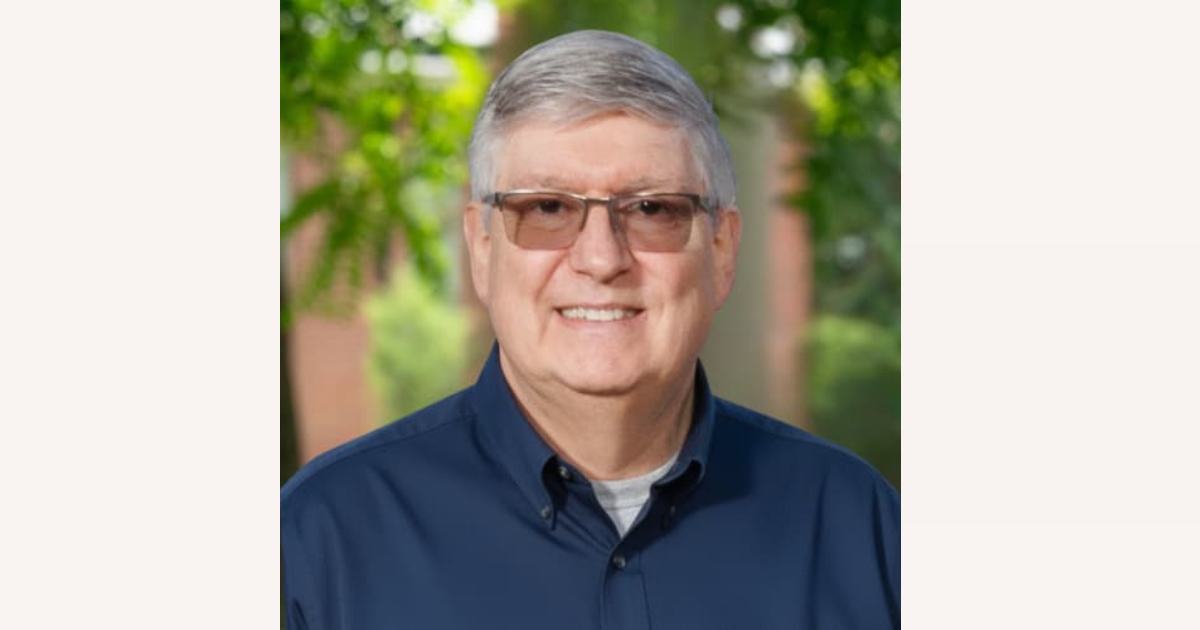
By Dcn. Bill Eckert, Institute for Homiletics Coach:
On the road to Emmaus, two disciples encountered the risen Lord in the breaking of the bread. They immediately took to the road to spread the good news to their community back in Jerusalem.
What a beautiful reminder that every preacher must first be a person of faith—someone who has encountered the risen Lord and continues to encounter Him throughout life.
Their encounter at the table was preceded by their encounter with Jesus on the road… which was preceded by their encounter with Him during his passion and death…
which was preceded by his triumphant entrance into Jerusalem…
which was preceded by months of discipleship on the journey through Galilee, Samaria, and Judea. The point is: their encounter had unfolded over time.
Some of us have encountered Christ in a singular, dramatic moment, like St. Paul on the road to Damascus. Most of us have not—most of us have experienced Him over the course of our lives along the winding roads we’ve traveled. Whether the encounter came in a transforming moment or a series of graced encounters, we are witnesses who are impelled to share our experience and faith with others. That is what it means to be a preacher.
It is no longer the Easter season. Now in Ordinary Time, as preachers, we can witness in a way that reveals that we too are disciples. In homily preparation, we deeply reflect on our own Emmaus journey that leads us into a deeper relationship with the Lord. In the liturgy, we witness in parallel to the disciples on the road to Emmaus: we seek the Lord’s companionship as he opens the scriptures through us and he breaks the bread. Even as we stand before the community as preachers, we also stand with them as disciples seeking understanding and encounter. This is the journey that is always extraordinarily ordinary.
Our communities long to see and hear from witnesses. This is a high calling. While we might hope that they marvel at our learning, it is our faithfulness and conviction that transforms. As a deacon, as I watch someone preach, I ask myself whether I can tell that they know Jesus Christ, not in the intellectual, but in the relational sense. If that knowledge is there and it shows through in their words and demeanor, then I am ‘hooked.’ However, eloquence without conviction, without infused knowledge of the risen Lord, is not enough to move me.
We are called to testify, to be witnesses to the truth of our faith. Pope Leo says that AI cannot do that. In a high-tech world, we do not share ‘hearsay’ but our own eyewitness account of faith, hope, and love. We join Peter and the saints throughout history as witnesses of these things, the things that Jesus said and did that have changed the world (See Acts: 1:8 below). If we are convicted, then we are impelled to share what we know to be true with others.
We, as preachers, are first and foremost, witnesses.